The Importance of Native Plant Species in Ontario Gardens

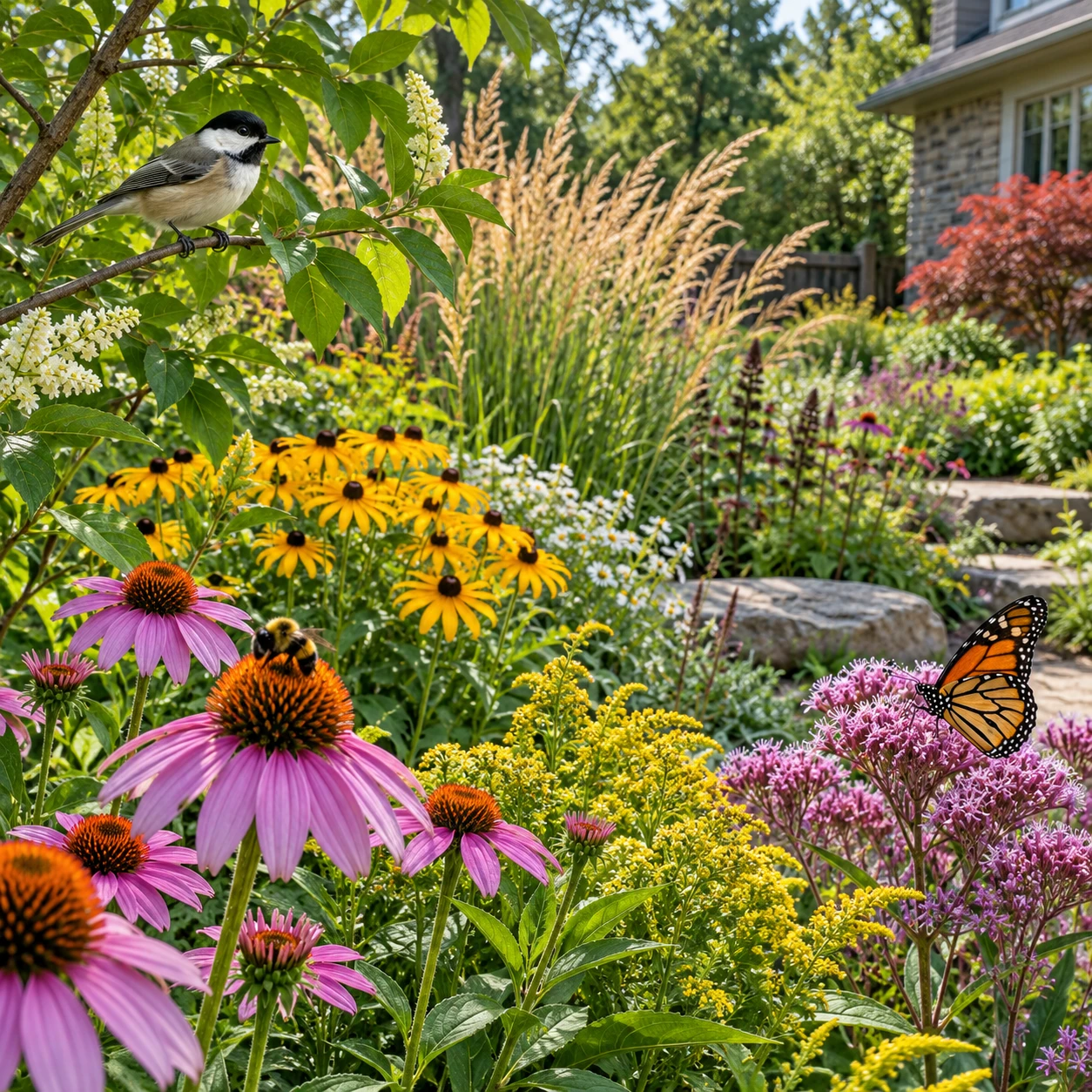
A garden can be more than an attractive outdoor space. In Ontario, planting species that evolved in the region can provide food and shelter for local wildlife, support biodiversity, and help connect green spaces across developed areas. The right choices depend on where you live and the conditions in your yard, but even a small garden can contribute.
What makes a plant native to Ontario?
A plant native to Ontario occurs naturally in the province, without having been introduced by people. Native plants are adapted to local climate, soils, and ecological relationships, although the best choices still vary by region and site.
Ontario spans several ecoregions, from the Carolinian zone in the south to boreal and Great Lakes–St. Lawrence landscapes farther north. A species native to one part of the province may not be the best fit everywhere. Local climate, elevation, soil, and moisture all shape which plants thrive in a particular area.
Native plants are also part of food webs built over time. Some native insects rely on particular plants for food or to complete their life cycles. That does not mean non-native plants have no value, or that every introduced species is invasive. An invasive plant species is one that spreads and causes ecological or economic harm; many non-native garden plants do not behave that way. The practical aim is to choose plants that suit the site and contribute to local habitat.
For regional context, the Government of Canada’s overview of terrestrial ecozones and ecoregions helps illustrate how varied Ontario’s landscapes are.
How native plants support pollinators and wildlife
Native plants support pollinators and wildlife by offering locally useful nectar, pollen, seeds, leaves, nesting materials, and cover. A garden with plants that bloom at different times can provide resources through more of the growing season.
Native bees and butterflies use flowers for food, while some insects also depend on particular host plants. Bees may nest in bare ground, hollow stems, or other small spaces, so a garden’s value depends on more than blooms alone. Avoiding pesticide use where possible and leaving a few undisturbed areas can make a planting more usable for these species.
Birds benefit from the insects, seeds, berries, and shelter found in a varied garden. Other wildlife may also use dense plantings for cover. A layered garden can include flowering perennials, grasses, shrubs, and, where space allows, trees. Each layer creates different habitat features.
Think of a planting as a seasonal menu rather than a single flower display: early blooms, summer flowers, late-season resources, and seed heads left standing where practical. This approach does not guarantee particular wildlife will visit, since local populations and surrounding habitat matter. It does, however, make the garden more likely to offer useful resources over time.
Benefits for biodiversity and resilient gardens
Native plantings can support biodiversity by creating habitat and food sources for species associated with Ontario ecosystems. A mix of plants, rather than a single species, can also make a garden more resilient to changing weather and pest pressure.
Biodiversity means variety among living things, including plants, insects, birds, and other wildlife. Gardens cannot replace wetlands, forests, prairies, or other natural areas, but they can add habitat within neighbourhoods and help bridge gaps between larger green spaces. This is the idea behind habitat connectivity: patches of suitable vegetation make it easier for wildlife to find resources across a fragmented landscape.
Resilience comes from matching plants to the conditions they are adapted to, then selecting a range of species with different growth habits and seasonal needs. Some may tolerate dry spells once established; others need consistently moist soil. Native does not mean maintenance-free or suitable for every yard. Poorly matched plants can struggle, and a diverse planting still needs care while it establishes.
For a practical design check, ask three questions: What grows here naturally? What does this spot offer in sun and moisture? Which flowering, structural, or seasonal resources are missing from the garden? These questions help turn a general interest in native plants into a planting plan that supports local life.
Native plants and Ontario’s soil and water
Appropriate native plantings can help protect soil and manage rainwater by keeping roots in the ground and covering bare soil. Their effects depend on the species, planting design, and site, so they complement rather than replace good drainage and erosion-control practices.
Plant roots help hold soil in place, while leaves and stems can slow rainfall before it reaches the ground. Planting beds that replace some lawn or bare ground may also allow more water to soak into the soil, depending on soil type and grading. Deep-rooted plants can contribute to soil structure, but no planting will solve every runoff problem, especially where compacted soil or steep slopes are involved.
Choose plants according to moisture conditions instead of trying to force a wet-site plant into dry soil or the reverse. For a rain garden or low spot, confirm that the site drains as intended and select species suited to periodic moisture. Keep downspouts, slopes, and nearby foundations in mind when planning.
Leaf litter and standing stems can offer habitat and help protect soil over winter. Rather than clearing every bed in autumn, consider leaving some stems and leaves until spring, while removing diseased material or anything that creates a safety concern.
Choosing native plants for your garden
Choose native plants by matching them to your Ontario location, sunlight, soil, moisture, available space, and garden goals. Local suitability matters more than choosing a plant simply because it is native somewhere in the province.
Start with a quick site assessment. Observe the area through the day, note whether water collects or drains quickly, and check how much room plants will have when mature. Then decide what you want the garden to do: attract pollinators, add shade, stabilize a slope, provide seasonal interest, or combine several goals.
- Sunlight: Record whether the spot receives full sun, partial shade, or mostly shade.
- Soil and moisture: Notice whether the soil is sandy, clay-rich, consistently moist, or dry between rains.
- Space: Check mature height and spread so plants do not crowd paths, windows, or neighbouring plants.
- Seasonal resources: Include a range of flowering times and consider seed heads or berries for later seasons.
- Local origin: Seek guidance from a conservation authority, native-plant organization, or knowledgeable local nursery, and verify that plants are nursery-propagated.
Regional plant lists can help narrow options, but confirm current recommendations for your specific location. Avoid collecting plants from the wild; removing them can damage natural populations, and some species may be protected. A plant that is native but poorly suited to your garden conditions is unlikely to provide the benefits you hoped for.
Practical steps for getting started
To get started, choose one manageable area, prepare it carefully, plant a small mix suited to the site, and give the plants time to establish. Expanding gradually makes it easier to learn what works in your yard without creating an overwhelming maintenance job.
- Pick a starting zone. A sunny border, damp corner, or patch of lawn is easier to plan than a full-garden conversion.
- Remove competing vegetation thoughtfully. Identify existing plants before removing them, especially if you are unsure whether they are native or invasive. Use a control method suited to the species and site.
- Plant in suitable conditions. Follow nursery guidance for spacing and planting depth, and water during establishment according to weather and soil needs.
- Maintain with wildlife in mind. Limit pesticide use, keep some stems or leaf litter where safe, and avoid disturbing nesting areas unnecessarily.
- Observe and adjust. Note what thrives, where water flows, and which plants bloom at different times. Replace poor matches with better-suited choices.
A common mistake is treating “native” as a complete care plan. Plants still need appropriate light, moisture, and establishment care. Another is clearing all stems and leaves every fall for tidiness; that can remove useful habitat. Balance appearance with ecological function, and keep paths, sightlines, and safety clear.
Frequently asked questions
What is the difference between a native plant and a non-native plant?
A native plant occurs naturally in a region, while a non-native plant was introduced there by people. Non-native does not automatically mean invasive; invasiveness refers to a plant’s harmful spread and impacts.
Do native plants need less maintenance?
Some native plants need less intervention once established in suitable conditions, but they are not maintenance-free. Watering during establishment, weeding, occasional pruning, and managing aggressive spread may still be needed.
Can native plants grow in small gardens?
Yes. Small gardens, containers, and narrow borders can support native plants when choices match the available light, soil, moisture, and mature size. A few well-selected plants can provide useful resources without filling the entire yard.
How can I choose native plants suited to my part of Ontario?
Check regional plant lists from a conservation authority or reputable native-plant organization, then compare each plant’s growing requirements with your site. Ontario’s ecoregions vary widely, so verify local suitability rather than relying on a province-wide label alone.