Invasive Species Threatening Ontario’s Ecosystems—and How to Fight Them

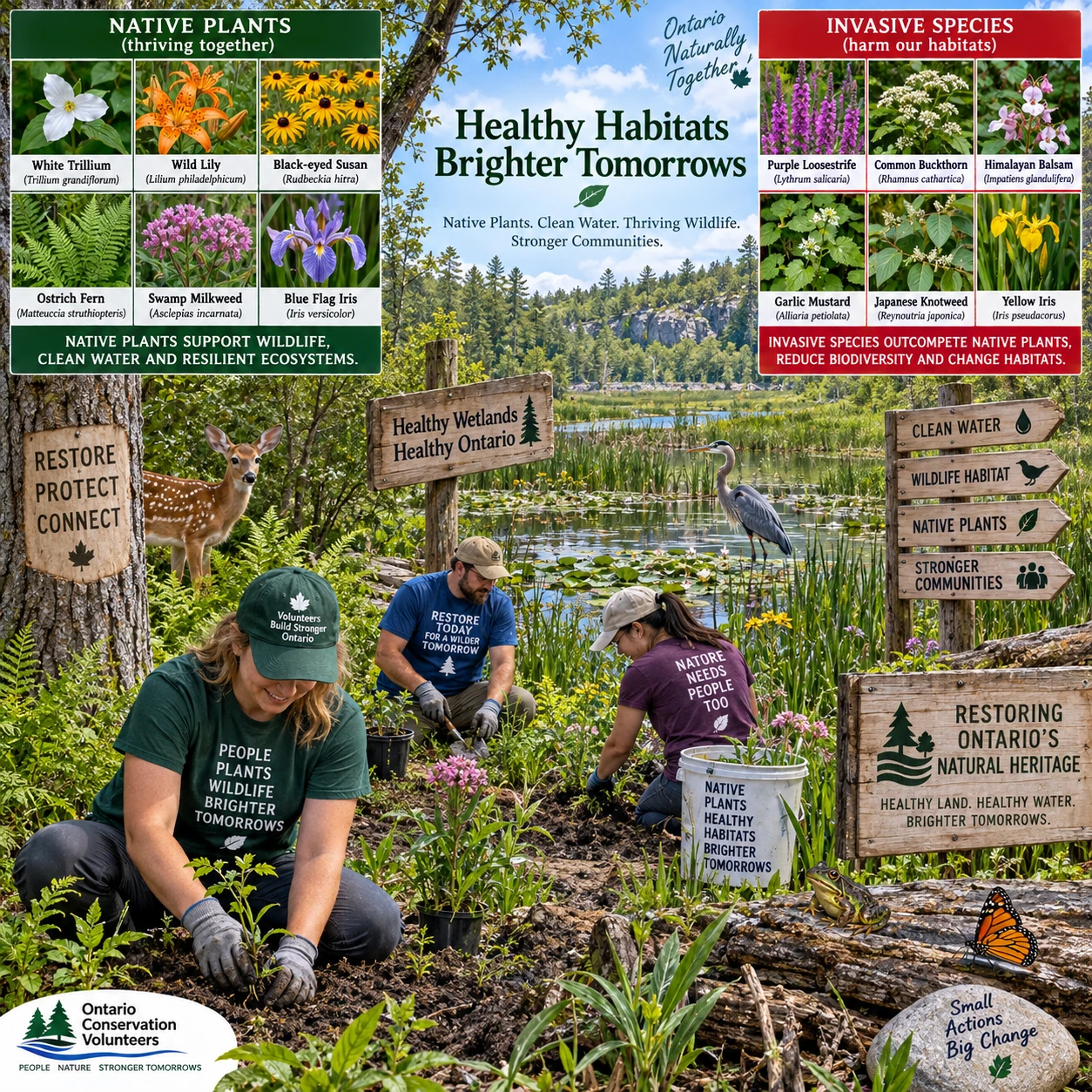
Invasive species can change Ontario’s forests, wetlands, lakes, and rivers, putting pressure on native species and biodiversity. Residents can help by learning to recognize local threats, preventing their spread, and reporting suspected sightings through reliable channels.
Not every species from outside Ontario is invasive, and a photograph alone may not confirm an identification. The most useful response is careful: observe, verify, report, and follow species-specific advice before attempting control.
What makes a species invasive?
An invasive species is a non-native organism that spreads and causes, or is likely to cause, harm to the environment, the economy, or human health. Its effects depend on where it establishes and how it interacts with native habitats.
Many non-native species live in Ontario without becoming invasive. A species becomes a concern when it spreads beyond places where it is managed and disrupts ecological relationships—for example, by competing with native plants, preying on native wildlife, or carrying disease. New environments may lack the predators, parasites, or other natural checks that limit a species in its original range.
People can unintentionally move invasive species between regions. Seeds hitch rides on boots, tires, and equipment; insects may travel in firewood or shipping materials; and aquatic organisms can be carried on boats and trailers. Climate, habitat disturbance, and repeated introductions can also influence whether a population takes hold.
For Ontario residents, the distinction matters: origin alone is not a reason to remove a plant or animal. Identification and local guidance come before action.
Invasive species to know in Ontario
Ontario’s invasive species include plants, insects, and aquatic organisms. Learning a few locally relevant examples can help residents notice possible problems, but look-alikes mean suspected sightings should be verified.
Commonly recognized invasive plants include giant hogweed, whose sap can cause severe skin reactions when exposed to sunlight, and Japanese knotweed, a tall perennial that can form dense stands along roadsides and waterways. Dog-strangling vine can spread through fields and forest edges, while phragmites (European common reed) may form thick stands in wetlands and reduce space for other plants. Native plants can resemble some of these species, so do not handle or remove an uncertain plant, especially giant hogweed.
Among insects, emerald ash borer has damaged ash trees across parts of Ontario. Spongy moth caterpillars feed on tree leaves and can cause noticeable defoliation during outbreaks. The spotted lanternfly is a serious invasive pest in parts of North America; check current provincial guidance for its status and reporting instructions in Ontario rather than assuming it is present locally.
In water, zebra and quagga mussels can attach to hard surfaces and alter aquatic food webs. Round goby competes with some native fish and feeds on eggs and small aquatic animals. European water chestnut is an aquatic plant that can create dense surface mats where established.
Species distributions and official response guidance change. The Ontario government’s invasive species information is a useful place to check current alerts, identification resources, and reporting options.
How invasive species affect ecosystems
Invasive species can reduce native biodiversity, alter habitat structure, and disrupt relationships that keep ecosystems functioning. The effects vary by species, location, and the condition of the habitat.
A fast-spreading plant may shade out native wildflowers or create a dense stand that changes the plants available to insects and wildlife. An insect that attacks a particular tree can reduce that tree’s presence, affecting the shade, food, and shelter it provides. In lakes and rivers, invasive organisms may compete for food, prey on native species, or change how nutrients move through the ecosystem.
These changes can compound. When native plants decline, pollinators and other wildlife may lose food or breeding habitat. When wetlands or shorelines become less diverse, they may become less resilient to additional pressures such as development, erosion, or extreme weather. People can also feel the effects through damaged trees, blocked waterways, or costs associated with monitoring and control.
Still, impact should be assessed rather than assumed. A species may be invasive in one habitat and have little measurable effect in another. Local observations and ecological expertise help set priorities, especially when resources are limited and eradication may no longer be realistic.
How to prevent their spread
To prevent invasive species from spreading, clean equipment, avoid moving potentially contaminated materials, and follow guidance for the activity and location. Small habits can reduce the chance of carrying seeds, insects, or aquatic organisms to a new site.
- In gardens: Choose suitable native plants, avoid planting known invasive ornamentals, and dispose of invasive plant material according to municipal or provincial instructions. Do not dump garden waste in natural areas.
- On trails: Brush soil, seeds, and plant fragments from boots, clothing, pets, and equipment before leaving an area. Stay on marked paths where possible.
- With vehicles and outdoor gear: Remove mud, seeds, and plant material from tires, trailers, bicycles, and tools, particularly before travelling to another natural area.
- When boating or fishing: Before moving to another waterbody, clean, drain, and dry boats, trailers, and equipment. Remove visible plants and mud, drain water-holding compartments, and follow Ontario rules for bait and watercraft.
- With firewood: Buy or gather firewood near where it will be burned, and do not transport it long distances. Insect larvae can travel hidden under bark.
Cleaning takes time, and drying requirements depend on equipment and conditions, but skipping the process can move organisms between sites. For watercraft, use official clean-drain-dry instructions and check local access-point rules; a quick rinse alone may not be enough.
What to do if you spot one
If you suspect an invasive species, record what you see, verify the identification with a trusted source, and report it through the appropriate provincial or local channel. Avoid disturbing the organism until you know what response is recommended.
Start with a clear photograph from a safe distance. Note the date, location as precisely as practical, habitat, and approximate number of plants or animals. Include distinguishing features in the image, but do not touch a plant that could be giant hogweed or handle an unfamiliar insect or aquatic organism.
Compare the observation with current Ontario identification and reporting information, or ask a local conservation authority or qualified naturalist for help. You can also use the EDDMapS Ontario reporting and mapping resources where appropriate. Reporting routes differ by species, so follow the instructions given for the organism rather than sending every sighting to the same place.
Do not assume that removal is the next step. A mistaken identification can harm native species, spread seeds or fragments, or expose you to a health risk. If the organism is confirmed, the relevant agency can advise whether to monitor, contain, remove, or leave it alone.
How communities can help
Communities can limit invasive species through coordinated monitoring, responsible control, native planting, and habitat restoration. Local conservation authorities often work with municipalities, landowners, Indigenous communities, volunteers, and provincial agencies to protect watersheds and natural areas.
Control should match the species, site, and stage of spread. Pulling a plant may work in a small, manageable infestation, but it can also spread fragments or disturb sensitive habitat. Large stands may require repeated treatment and follow-up monitoring. Chemical control, where permitted and appropriate, should be planned and carried out by qualified people under applicable rules—not improvised from online advice.
Residents can contribute by joining a supervised stewardship day, recording observations, cleaning shared equipment, or helping restore a disturbed shoreline with locally appropriate native plants. Native vegetation can provide food and shelter for local wildlife, stabilize soil, and support pollinators. Plant selection should suit the site’s soil, light, and moisture; a native plant in the wrong place will not necessarily establish successfully.
Restoration is gradual. Removing an invasive species without filling the resulting space can leave habitat open to reinvasion. A stronger plan pairs control with replanting, follow-up visits, and monitoring over more than one growing season. Ask a local conservation authority which projects need help and what training or permissions are required.
Frequently asked questions
These quick answers cover the safest first steps for suspected sightings, removal, outdoor recreation, and habitat restoration.
What should I do if I find a suspected invasive species?
Take a photo, record the location and date, and check a current Ontario identification or reporting resource. Do not handle or remove it until the identification and recommended response are clear.
Can I remove an invasive species myself?
Sometimes, but only when the species is confirmed, the method is safe and appropriate, and local rules allow it. Some plants can regrow from fragments, and disturbance can spread seeds or harm native habitat. Seek advice from a conservation authority or provincial resource before starting.
How can I avoid spreading invasive species while boating or hiking?
Clean mud, seeds, and plant material from boots, pets, boats, trailers, and gear between locations. For watercraft, clean, drain, and dry equipment and follow posted rules; on trails, stay on marked routes and avoid carrying plant material to the next site.
Why are native plants helpful in restoring habitat?
Native plants are adapted to local conditions and can provide food, cover, and breeding habitat for native wildlife. When selected for the site and planted alongside appropriate follow-up care, they can help rebuild biodiversity and reduce opportunities for invasive plants to re-establish.