Innovative Wetland Restoration Projects in Ontario: Approaches, Benefits, and Community Impact
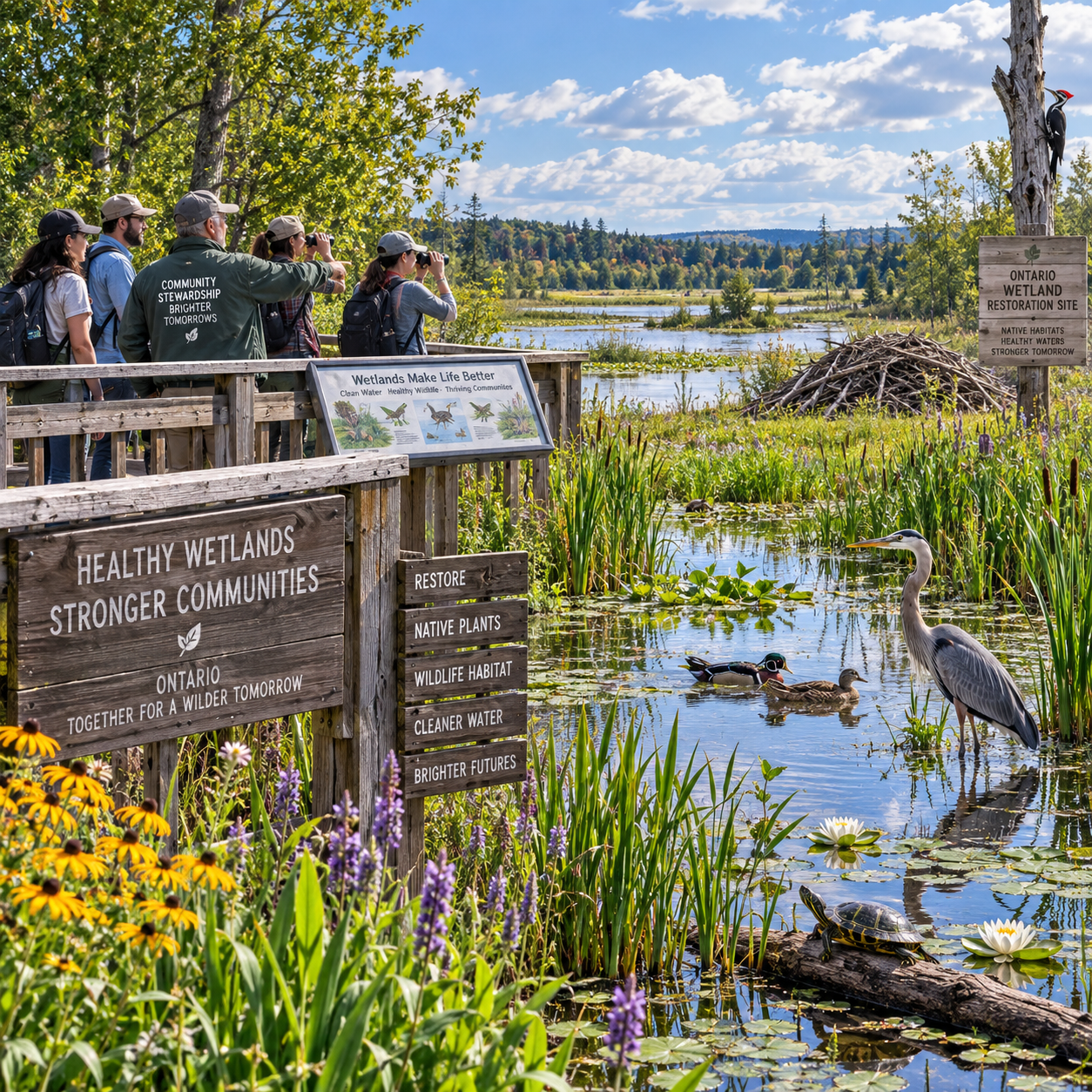
Across Ontario, wetland restoration projects are helping repair damaged habitats and strengthen the watersheds that communities depend on. The work can involve restoring natural water flow, planting native species, and monitoring ecological change over time. Its success depends on matching each approach to local conditions, from the Great Lakes shoreline to inland river valleys and rural headwaters.
Why wetland restoration matters in Ontario
Wetland restoration helps recover the ecological functions of wetlands, including wildlife habitat, water storage, and water filtration. In Ontario, these functions matter at both the local site and the wider watershed scale.
Ontario wetlands include marshes, swamps, bogs, and fens. Each type has different soils, water sources, and plant communities. Together, they support biodiversity, provide breeding and feeding habitat, and connect landscapes used by birds, amphibians, fish, insects, and mammals. Wetlands also slow and store water, which can help reduce downstream flood peaks during some conditions.
Many wetlands have been altered by drainage, roads, shoreline development, invasive species, or changes in surrounding land use. When the hydrology shifts, a wetland may dry out too often, stay flooded too long, or lose the seasonal water variation its native plants need. Restoration aims to address those underlying pressures, rather than simply adding vegetation to a site.
Healthy wetlands can also contribute to water quality by trapping sediment and taking up some nutrients as water moves through them. Results vary with wetland size, soils, vegetation, and the amount of runoff entering the site. Restoration is one part of watershed management, not a substitute for reducing pollution or protecting wetlands that remain intact.
What makes a restoration project innovative?
An innovative wetland restoration project combines sound ecological goals with practical design, local knowledge, and monitoring. Innovation means choosing methods that fit the site and adjusting them as evidence comes in, rather than relying on a single template.
A strong project begins with a baseline: how water moves through the area, what plants and wildlife are present, and what pressures affect the wetland. Hydrologists, ecologists, conservation authorities, landowners, and community members may all contribute useful information. Historical aerial images, field surveys, and local observations can help explain how the site has changed.
Design choices should reflect that evidence. For example, a project might reconnect a blocked channel, reshape a compacted area, or install a structure that slows drainage. Each intervention needs careful review. A water-control structure that helps one wetland retain water could affect neighbouring land or aquatic habitat if it is poorly designed.
Innovation also includes follow-up. Teams may track water levels, vegetation, invasive species, and wildlife indicators over multiple seasons. Monitoring helps distinguish a genuine ecological improvement from a short-term change after construction. Projects can then adapt planting plans or water controls when results differ from expectations. That flexibility takes time and funding, but it reduces the risk of treating a complex wetland as a one-time engineering job.
Restoration approaches used across Ontario
Wetland restoration in Ontario commonly focuses on restoring wetland hydrology, re-establishing native vegetation, and improving habitat structure. The right combination depends on the wetland type, the surrounding watershed, and the cause of degradation.
Restore water flow and seasonal patterns
Teams may block or modify old drainage channels, remove barriers, or reconnect a wetland to nearby streams and floodplains. The goal is to restore a more suitable pattern of water movement and seasonal fluctuation. Before changing water levels, practitioners need to assess effects on neighbouring properties, roads, and downstream habitats.
Re-establish native plants
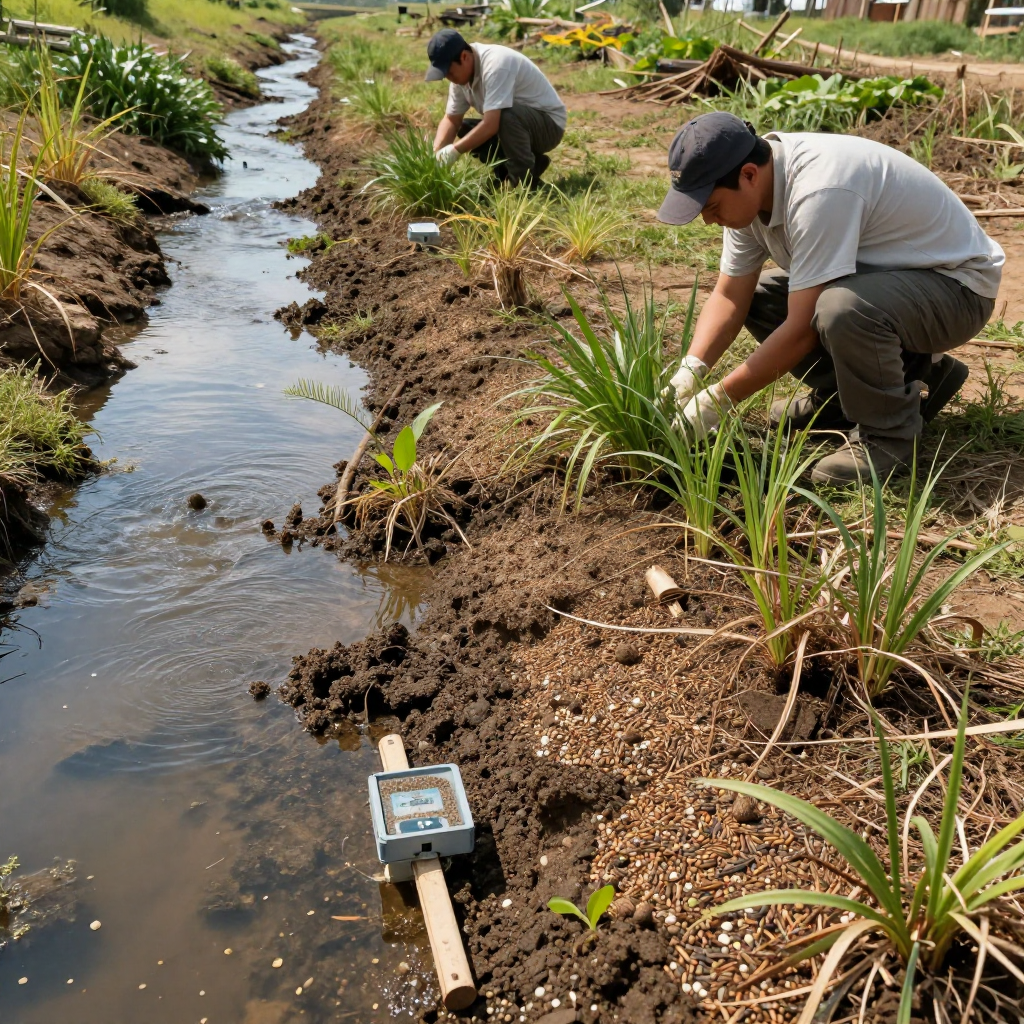
Native plants help stabilize soils and provide food and cover for wildlife. Restoration plans often use locally appropriate species selected for the site’s water depth, soil, and exposure. Some sites recover through natural seed dispersal once hydrology improves; others need planting or seeding. Follow-up control may be needed to limit invasive plants, especially while native vegetation is establishing.
Improve habitat and site connections
Projects can create a mix of shallow-water areas, vegetated edges, and open patches suited to different species. They may also reconnect isolated wetland areas with nearby forests, streams, or other natural cover. Habitat work should follow ecological assessment: adding open water, for instance, is not automatically beneficial if it reduces habitat needed by wetland-dependent species.
Sequence matters: address the cause of degradation first, then restore hydrology, and establish vegetation and habitat features suited to the expected conditions. Planting before correcting drainage often leads to poor survival and wasted effort.
How projects benefit wildlife, water, and communities
Restored wetlands can improve wildlife habitat, support water quality, and contribute to flood mitigation. The size and reliability of these benefits depend on site conditions, watershed pressures, and how well the wetland functions after restoration.
For wildlife, a wetland with varied water depths and native vegetation can offer feeding, nesting, shelter, and breeding areas. The benefit is strongest when the wetland remains connected to other habitat and when disturbances are managed. A newly planted site may take years to develop the vegetation structure needed by some species, so immediate wildlife gains should not be assumed.
For water quality, wetlands can slow runoff and retain some sediment and nutrients. This can support healthier streams and lakes, but it does not remove every contaminant. High nutrient loads, polluted runoff, or altered water flows may exceed what a particular wetland can process. Restoration works best alongside pollution prevention and responsible land management upstream.
Wetlands can also store water and slow its movement through a watershed, contributing to flood mitigation. They cannot prevent every flood, especially during extreme rainfall or when development has altered the wider drainage system. Their value lies in being one element of broader community resilience, alongside floodplain planning, stormwater management, and emergency preparedness.
There are community benefits too: restored sites can offer opportunities for outdoor learning, nature observation, and stewardship. Public access needs careful planning, since boardwalks, trails, and increased visitation can disturb sensitive habitat if they are placed or managed poorly.
The role of conservation authorities and local partners
Conservation authorities help coordinate wetland restoration through watershed knowledge, technical expertise, partnerships, and long-term planning. Their role varies by project and location, and successful work often depends on collaboration with the people who own, manage, and use the land.
Authorities can help assess watershed conditions, identify restoration priorities, review site constraints, and connect projects with relevant expertise or funding opportunities. They may work with municipalities on drainage and flood planning, researchers on monitoring, and community organizations on stewardship. Landowners are essential partners when restoration takes place on private property or affects local land use.
Local knowledge can reveal seasonal flooding, historic water flow, wildlife use, or maintenance issues that a short field visit might miss. Researchers and technical teams can test those observations against ecological surveys and hydrological data. Clear communication about expected changes, access, and maintenance helps partners agree on what success should look like.
Partnership does not remove trade-offs. A project may need to balance habitat goals with farm operations, public access, infrastructure, or neighbouring property concerns. Early discussion and transparent monitoring make those decisions easier to understand. For background on Ontario’s conservation authority network and watershed work, consult the Conservation Ontario website.
How to get involved in wetland stewardship
You can support wetland stewardship by learning about local watershed priorities, volunteering with a credible restoration group, or contacting your regional conservation authority. Start by asking what the site needs; well-intended work can cause harm if it is not guided by an ecological plan.
- Find local priorities: Look for watershed plans, restoration programs, or stewardship events published by your conservation authority or municipality.
- Volunteer thoughtfully: Join organized planting, invasive-species monitoring, litter removal, or wildlife-survey activities. Follow site guidance and avoid entering sensitive areas without permission.
- Ask before planting: Do not introduce plants or alter drainage on your own. Species selection and water movement need to match the wetland and may require permits or professional advice.
- Support wetland-friendly land care: Reduce fertilizer and pesticide runoff, maintain vegetated buffers near water, and keep storm drains clear of waste.
- Share observations: Report unusual water changes or invasive species through established local programs, providing the date and location when possible.
Residents can find nearby projects by searching their conservation authority’s website, checking municipal environmental pages, or contacting local nature and stewardship groups. If you own land near a wetland, ask about site assessments and available stewardship support before making changes. The best contribution may be protecting an intact wetland from disturbance; restoration is valuable, but preventing further damage is often simpler and more reliable.
Frequently asked questions
What is wetland restoration?
Wetland restoration is the process of repairing a degraded wetland’s hydrology, vegetation, and habitat so it can recover ecological functions. The work is tailored to the causes of damage and the wetland’s natural conditions.
How long can wetland restoration take?
There is no single timeline. Construction or planting may take a season, while water patterns, native vegetation, and wildlife use can take several years or longer to develop. Monitoring helps teams judge progress and respond to setbacks.
How can I find wetland projects near me in Ontario?
Contact your regional conservation authority, municipality, or local stewardship organization. Their websites may list watershed plans, volunteer events, or restoration programs. Confirm current opportunities directly with the organization.
How can landowners or residents support restoration?
Landowners can request technical advice before changing drainage or vegetation near a wetland. Residents can volunteer in organized programs, protect natural buffers, reduce runoff, and report observations through local channels. Follow project guidance rather than undertaking unplanned planting or water-control work.