A Guide to Ontario’s Endangered Species and Conservation Efforts

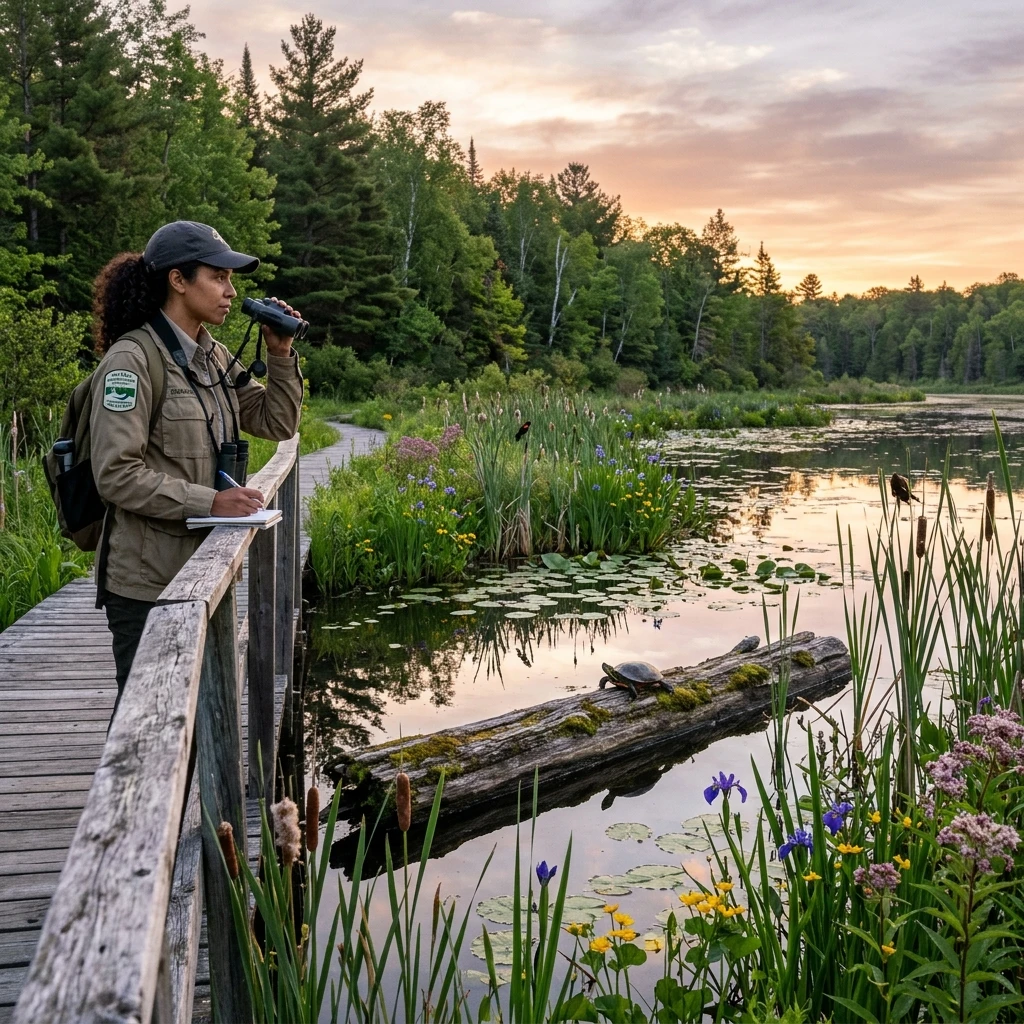
Ontario’s wildlife ranges from wetlands and forests to grasslands, rivers, and the Great Lakes shoreline. These ecosystems support many species at risk, including plants and animals whose survival depends on healthy, connected habitat. Understanding what endangered status means—and how habitat protection, restoration, and community stewardship work together—can help residents make informed choices for biodiversity across the province.
What “endangered” means in Ontario
In Ontario, an endangered species faces imminent extinction or extirpation, meaning it may disappear from the province. The designation identifies a serious risk and can trigger legal protections and recovery planning under Ontario’s Endangered Species Act, 2007.
“Species at risk” is the broader term. Ontario’s categories distinguish different levels of concern: endangered species face the most immediate danger; threatened species are likely to become endangered if pressures continue; special concern species may become threatened or endangered because of their traits or emerging threats. Extirpated species no longer live in the wild in Ontario but survive elsewhere, while extinct species have disappeared entirely.
These categories are not interchangeable, and a species’ status can change as new evidence becomes available. Ontario’s provincial law is separate from Canada’s federal Species at Risk Act (SARA); the two laws can apply to different species, lands, or circumstances. Check current provincial and federal listings before relying on a status or legal requirement. Ontario’s official species-at-risk information is a useful starting point.
Why species are at risk
Ontario species become at risk when habitat and other conditions no longer support healthy populations. The pressures often overlap: a species coping with habitat loss may also face pollution, invasive species, or a changing climate.
Habitat loss and fragmentation are major concerns. Roads, buildings, and land conversion can remove habitat or split it into smaller patches. A wetland may remain on a map, for example, but nearby roads and drainage can isolate breeding sites and make it harder for animals to move safely between feeding and nesting areas.
Other pressures include:
- Pollution: Runoff, road salt, and contaminants can affect water quality, soils, and the food webs that species rely on.
- Invasive species: Non-native plants and animals can compete with native species, alter habitats, or introduce disease.
- Climate change: Shifts in temperature, rainfall, drought, and extreme weather can disrupt migration, breeding, and seasonal food availability.
- Direct disturbance: Off-trail travel, shoreline alteration, vehicle strikes, and poorly timed work can damage nests, dens, or sensitive plants.
A useful way to assess a local risk is to ask three questions: What habitat is needed? What is changing that habitat? Which action could reduce the pressure without shifting harm elsewhere? This keeps conservation focused on causes, not only visible symptoms.
Examples of Ontario’s endangered species
Ontario’s endangered species include wildlife with very different habitat needs, from open grassland and forest to wetlands and river systems. The examples below illustrate why recovery often depends on protecting an entire ecosystem, not just individual animals.
- Eastern massasauga rattlesnake: This shy snake is associated with wetlands and adjacent uplands in parts of Ontario. Wetland drainage, roads, persecution, and loss of connected habitat can threaten populations. Protecting shoreline and wetland edges and avoiding disturbance are important measures.
- American chestnut: Once a prominent forest tree in eastern North America, it is affected by chestnut blight and has a limited presence in Ontario. Conservation includes locating and monitoring surviving trees and supporting research into disease-resistant restoration approaches.
- Butternut: This native tree is endangered in Ontario and is threatened by butternut canker, a disease that can kill trees. Recording healthy or potentially resistant individuals helps guide research and conservation decisions.
- Eastern prairie fringed-orchid: This rare wildflower depends on suitable open habitats, including certain wet meadows and prairies. Changes in land use, altered water conditions, and incompatible mowing or other management can harm it.
Status and distribution can change, and some locations are kept private to reduce disturbance or collection. Before visiting a site or sharing a wildlife sighting, consult current government guidance and respect access restrictions. For many species, the most helpful step is protecting the conditions that allow populations to feed, breed, and move safely.
How conservation efforts protect species and habitats
Conservation efforts protect endangered species through a combination of legal safeguards, recovery planning, habitat work, monitoring, and partnerships. The goal is to reduce threats and improve the ecological conditions a species needs over time.
Ontario’s Endangered Species Act, 2007 provides provincial protections for listed species and their habitat, subject to the law’s rules and any applicable permits or exemptions. Federal protections under the Species at Risk Act may also apply. Requirements depend on the species and location, so landowners, project proponents, and residents should confirm current rules with the appropriate government agency before proceeding with work that could affect wildlife or habitat.
Recovery strategies and government response statements set out priorities for addressing threats. Depending on the species, actions may include restoring wetlands, improving stream conditions, planting native vegetation, controlling invasive plants, creating safe wildlife crossings, or managing habitat at the right season. Monitoring then helps conservation teams see whether populations and habitat conditions are improving and adjust plans when results fall short.
Conservation is not limited to rescuing individual animals. Rescue and rehabilitation can help an injured animal, but they cannot replace functioning habitat or solve the causes of population decline. Long-term progress usually depends on coordination among governments, Indigenous communities, conservation authorities, researchers, landowners, and residents. Development and conservation also need not be treated as an all-or-nothing choice: early planning can help identify sensitive areas, avoid impacts where possible, and reduce remaining effects.
The role of regional conservation authorities
Regional conservation authorities support species and biodiversity by managing watersheds, protecting and restoring habitat, and working with local communities. Their activities connect conservation goals with the land and water systems that shape everyday life in Ontario.
Across their watersheds, conservation authorities may monitor streams and wetlands, restore shorelines, plant native trees, manage conservation lands, and share flood and ecosystem information. These projects can improve habitat for species at risk while also supporting cleaner water, healthier soils, and resilience to floods and drought. Their work varies by authority and site, and it complements rather than replaces provincial and federal responsibilities.
Local knowledge matters. A conservation authority may work with municipalities, Indigenous partners, farmers, community groups, and private landowners to identify practical restoration opportunities. For example, restoring a buffer of native plants beside a stream can reduce erosion and runoff while providing cover and food for wildlife. Such projects require site-specific planning; a planting that suits one watershed may be inappropriate in another.
Residents can look for local stewardship days, native plant programs, watershed reports, and conservation land guidance through their regional authority. Before volunteering or changing a shoreline, check which organization manages the site and what permissions are required.
How you can help
You can support Ontario’s endangered species by improving habitat where you live, reducing avoidable wildlife harm, and taking part in community stewardship. Small actions have the most value when they suit local conditions and continue over time.
- Grow native plants: Choose locally appropriate native flowers, shrubs, and trees. They can provide food and shelter for native wildlife; avoid planting known invasive species.
- Reduce pesticide use: Use non-chemical methods where practical, and follow label directions when a product is necessary. Avoid spraying flowering plants when pollinators are active.
- Protect water and shorelines: Keep vegetation along streams and lakes, prevent soil and yard waste from entering drains, and follow local rules before altering a shoreline or wetland.
- Keep wildlife wild: Observe from a distance, secure garbage, leash dogs where required, and never feed wild animals. Feeding can change animal behaviour and create conflict.
- Join community stewardship: Volunteer for a native planting, habitat cleanup, invasive-species removal, or a citizen-science project organized by a credible local group.
- Report observations responsibly: Use established reporting programs, but avoid publicizing the precise location of sensitive species where that could invite disturbance.
If you find an injured wild animal, keep your distance and do not try to handle or feed it. Contact a licensed wildlife rehabilitator or the appropriate provincial service for advice; for an immediate public-safety risk, contact local authorities. For a wildlife-friendly property, start with one manageable change, such as replacing part of a lawn with native plants, then observe what uses the space. Effective community stewardship is practical, local, and grounded in respect for wildlife and its habitat.